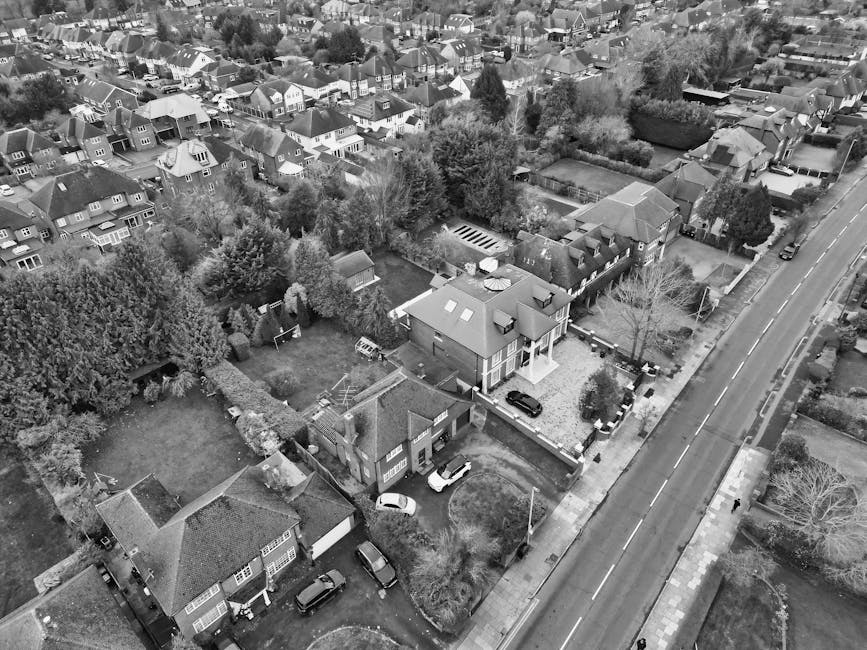
Common problems with Harlesden driveway access for gardeners
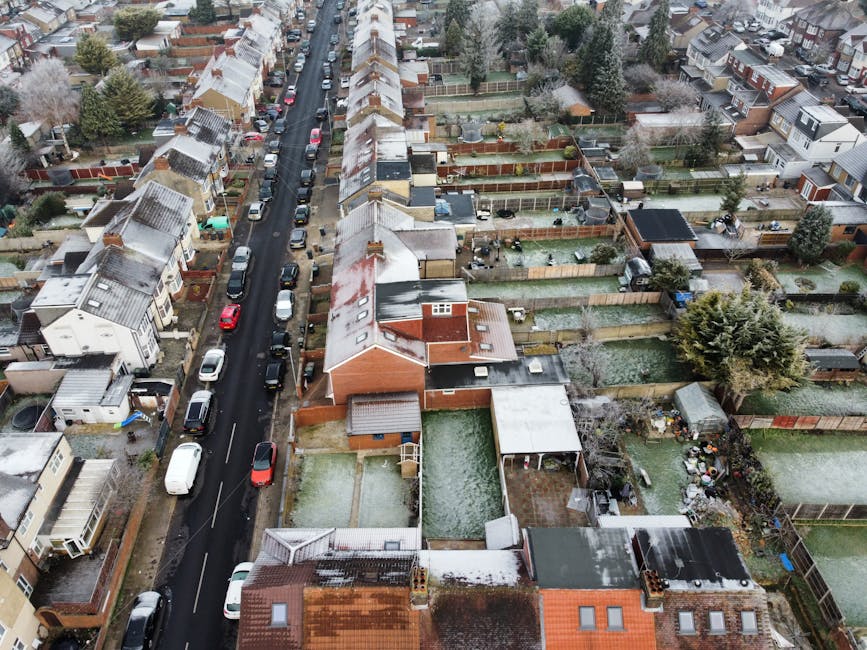
If you have ever tried to get a gardening team, mower, hedge trimmer, or clearance gear into a tight Harlesden property, you will know the feeling: the job looks straightforward until the driveway says otherwise. That is really the heart of Common problems with Harlesden driveway access for gardeners - narrow entrances, awkward parking, shared access, low branches, uneven paving, and the occasional front garden that has quietly turned into a storage zone. All small on their own. All maddening together.
In Harlesden, where homes can sit close to the pavement and access routes are often shared or limited, garden work is frequently shaped by the driveway before a single plant is cut back. This article breaks down the usual problems, why they matter, and what gardeners can do to work safely, efficiently, and with fewer surprises. If you are planning regular maintenance or a bigger tidy-up, it may also help to look at garden maintenance support, garden clearance services, and the broader services overview so you can match the job to the access you actually have.
Truth be told, a lot of access trouble is preventable. A few measurements, some honest planning, and a realistic view of what can fit where often make the difference between a smooth morning and a frustrating one.
Why Harlesden driveway access matters
Driveway access is not just a convenience issue. It affects how safely a gardener can work, how much equipment can be brought in, how long the job takes, and whether the property is left tidy rather than battered by repeated trips over a narrow path. In a busy area like Harlesden, those details matter even more because parking, shared frontages, and small urban plots can all tighten the working space.
A gardener may need to move wheelbarrows, green waste bags, ladders, tools, edging equipment, or even a small machine through the driveway. If the route is too tight, too steep, or blocked by cars, every task slows down. And once people start improvising, accidents become more likely. That is why good access planning is really part of good garden care, not an afterthought.
There is also a customer side to this. If a gardener arrives and cannot reach the work area cleanly, the client may end up with extra disruption, delayed work, or a partial service. Nobody wants that. A little honest planning up front helps keep expectations fair and the day much calmer.
Key takeaway: access problems do not just make a job inconvenient; they change the method, the timing, the cost, and sometimes the safety of the work itself.
How Harlesden driveway access affects gardening work
At a practical level, driveway access determines the route between the street, the tools, and the actual garden. That route sounds simple. It rarely is. One home might have a long, narrow side passage. Another may have a short but steep drive with a tight turning circle. Another may share access with neighbours and need cars moved before work can begin. All of these change how a gardener plans the day.
The main issues usually fall into a few buckets:
- Width: Some driveways are too narrow for larger mowers, clearance carts, or multiple people carrying long tools.
- Height: Low branches, canopies, or archways can clip taller equipment or make manoeuvring awkward.
- Surface condition: Loose gravel, mossy paving, broken slabs, or soft edging can make movement difficult and unsafe.
- Gradient: Slopes make wheelbarrows harder to control and can increase fatigue.
- Obstructions: Bins, bikes, bins again, cars, planters, and stored materials often sit exactly where they should not.
- Parking pressure: In street-heavy neighbourhoods, the problem is sometimes not the driveway itself but getting close enough to use it efficiently.
Gardening work on a well-accessed property tends to flow. On a difficult one, the team spends more time moving around than cutting, trimming, loading, or clearing. That is where access planning pays off. In some cases, the right approach may be to pair regular visits with lawn mowing support or more focused hedge trimming so the work is broken into manageable stages rather than crammed into one heavy visit.
Key benefits and practical advantages
When driveway access is properly assessed, the whole job tends to become simpler. Sounds obvious, but people often underestimate the savings in time and stress. A clear access route means less lifting, fewer repeated trips, and fewer chances of knocking over pots or marking a wall on the way in. It also helps a gardener choose the right equipment before they arrive. That matters more than most people think.
Here are the main benefits of getting access right:
- Safer handling of tools and materials because there is less awkward carrying and fewer blind corners.
- Faster job completion as the team spends less time moving equipment around.
- Cleaner results since cuttings, soil, and waste can be removed more efficiently.
- Lower risk of damage to gates, paving, fences, plants, and parked vehicles.
- Better quote accuracy because the team can estimate effort realistically.
- Less disruption for neighbours in tightly packed streets and shared access situations.
There is a commercial angle too. For people comparing services, access is one of the hidden variables behind pricing. A straightforward garden on easy access may take less time than the same-size garden where every tool has to be hand-carried down a narrow side entrance. If you want pricing information that reflects real working conditions, take a look at pricing and quotes before booking.
Who this is for and when it makes sense
This topic matters to several types of people. Homeowners planning routine maintenance. Landlords who want tenants to have a manageable outdoor space. Property managers dealing with shared frontages. And gardeners themselves, especially those working in urban London where access can change from one house to the next within the same street.
It makes particular sense if:
- the driveway is narrow or shared;
- there is no rear access to the garden;
- the route includes steps, slopes, or uneven paving;
- cars usually block the entrance;
- the garden needs heavy clearance or repeated waste removal;
- large hedges, trees, or overgrowth hang into the access path;
- you are planning a one-off garden reset rather than light maintenance.
Sometimes the issue is not obvious until the gardener arrives. A front drive that looks generous in daylight can feel very different once a van is parked nearby and the gate is only half open. Small surprise. Big effect.
If the property needs broader reshaping to improve access, you may also want to explore landscaping or even landscape gardening, because access problems are sometimes design problems in disguise.
Step-by-step guidance
The simplest way to deal with driveway access is to treat it as part of the job plan. Not a side note. Not a "we'll see on the day" detail. A proper plan, even a short one, reduces hassle straight away.
- Measure the access route. Check the width at the narrowest point, the height under any branches or structures, and any sharp turns. A tape measure is boring, yes, but it saves arguments.
- Identify obstacles. Note bins, parked cars, bikes, furniture, planters, loose gravel, overgrown hedging, and any slippery patches.
- Decide what needs to move before work starts. If something will block the path, move it. Ideally the evening before. Morning rushing rarely helps.
- Match the work to the access. Light maintenance may be fine with hand tools. Bigger clearance jobs may need a different approach or more labour.
- Plan waste handling. If cuttings and debris cannot be taken out in one go, the team may need bags, smaller loads, or staged removal.
- Check whether the driveway surface can cope. Heavy machines on soft, broken, or mossy surfaces are a recipe for trouble.
- Agree the working sequence. Front to back, top to bottom, or one section at a time. A clear sequence avoids people crossing the same route over and over.
A quick walk-through before the first cut is often enough. I know that sounds almost too simple, but in practice it stops a lot of avoidable friction.
Expert tips for better results
One of the most useful habits is to think like the person carrying the heaviest thing. If that path feels awkward to walk empty-handed, it will feel worse with a wheelbarrow or a sack of green waste. In our experience, that little mental test catches more issues than a generic checklist.
Here are a few practical tips that make a noticeable difference:
- Keep the access route clear the night before. Morning slots are easier when nobody is moving a car or dragging bins at the last minute.
- Trim back overhanging growth early. A small amount of hedge trimming can open up a surprising amount of working space.
- Use smaller, lighter loads. Multiple manageable trips are often safer than one overloaded run. Slightly slower, yes. Much safer.
- Protect vulnerable surfaces. If paving is old or uneven, temporary protection or careful routing can reduce damage.
- Keep one side of the driveway dedicated to movement. Once tools start spreading out everywhere, access gets messy fast.
- Work with the natural slope. On inclined driveways, move heavier loads in short controlled sections rather than trying to rush.
It also helps to think seasonally. In wet months, a driveway that was just a bit slippery in summer can become much more treacherous. Wet leaves, damp moss, and muddy boots are not a lovely combination. Not at all.
For larger jobs, a team may need to combine access planning with tree lopping and removal where branches are narrowing the route or dropping debris into the entrance area.
Common mistakes to avoid
Most access problems become much harder because someone assumed the driveway would "be fine". That assumption causes a lot of unnecessary grief. To be fair, people do it because the frontage looks workable from the street. But gardening is often judged by the worst metre of access, not the widest bit out front.
Common mistakes include:
- Not measuring the narrowest point. That is usually where the real problem sits.
- Leaving cars in place. Even a small vehicle can block the sweep needed for tools or waste bags.
- Ignoring overhead limits. Tall ladders, pruning poles, or branches can catch on canopies and tree limbs.
- Using the wrong equipment. A large machine is no help if it cannot be brought in safely.
- Overfilling bags or barrows. Heavy loads increase strain and reduce control on tight or uneven access.
- Starting work before the route is clear. That usually leads to extra trips and more clutter.
- Forgetting about exit routes. Getting in is only half the job. Getting waste out cleanly is the other half.
Another easy-to-miss issue is neighbour access. Shared drives often look simple until someone needs their car out or a delivery turns up. Good communication helps. Quietly, politely, and early. Saves everyone a headache.
Tools, resources and recommendations
You do not need fancy kit to manage driveway access well, but you do need the right basics. A few small tools make urban garden work much easier and safer.
| Tool or resource | What it helps with | Why it matters in Harlesden access conditions |
|---|---|---|
| Tape measure | Checking widths, heights, and clearances | Helps confirm whether equipment will actually fit |
| Wheelbarrow or heavy-duty garden trolley | Moving soil, waste, and cuttings | Reduces repeated carrying through tight routes |
| Protective gloves and sturdy footwear | Grip and protection on uneven ground | Useful on wet paving, gravel, and cluttered entrances |
| Tarpaulin or sacks | Containing green waste | Keeps the route tidier when access is narrow |
| Temporary surface protection | Shielding delicate paving or decking edges | Can reduce scuffs when moving tools in and out |
A sensible recommendation is to keep access conversations short and practical. What is the narrowest point? Is there parking? Can a van stop nearby? Are there steps or a slope? Those four questions answer a lot. You do not need a long briefing, just the right one.
For jobs that are clearly more involved, it may be worth combining access planning with garden clearance if the space is choked with waste or overgrowth. And if the issue is simply that the garden has become hard to reach because the layout no longer works, some light redesign through landscape gardening can be more effective than continually working around the same bottleneck.
Law, compliance, standards, or best practice
For everyday domestic garden work, the most relevant guidance is usually best practice rather than a complex legal framework. Still, there are important safety and access expectations worth respecting. In the UK, gardeners and clients should be mindful of safe manual handling, clear walkways, trip hazards, and sensible control of tools and waste. If machinery is being used, the route into the property should be stable enough to support it without unnecessary risk.
Where driveways are shared, good neighbourly practice matters too. Blocking access without warning can create avoidable tension. If the job may temporarily affect a shared drive, it is wise to communicate early and keep the work area as tidy and short-term as possible.
Any professional gardening company should also have clear approaches to safety, insurance, and customer communication. If you want to understand how a provider frames those responsibilities, look at their insurance and safety information and health and safety policy. Those pages help show that access is being treated as a real operational issue, not just something handled on the fly.
There is also a wider best-practice angle around waste handling and tidiness. A driveway used for garden work should be left as close as possible to how it was found, with no hidden cuttings, muddy patches, or loose debris waiting to trip someone later. Simple, really, but easy to overlook when the day gets busy.
Options, methods, or comparison table
Different access problems call for different working methods. The best choice depends on the size of the garden, the amount of waste, and how easy it is to move equipment through the driveway. Here is a practical comparison.
| Method | Best for | Pros | Limitations |
|---|---|---|---|
| Hand-carrying tools and waste | Very tight or delicate access | Flexible, low impact, simple | Slower and more physically demanding |
| Wheelbarrow or trolley transport | Medium access with a clear route | Efficient for waste and materials | Needs stable ground and turning space |
| Staged clearance | Heavy overgrowth or large waste volumes | Reduces congestion and fatigue | May take more than one visit |
| Access-first garden redesign | Repeated access frustration | Can permanently improve workflow | Requires planning and a wider scope of work |
There is no single "best" method. The right answer is the one that keeps the work safe and manageable without forcing the team to fight the site. Sometimes the quickest route is not the smartest one. That sounds obvious, but people miss it all the time.
Case study or real-world example
A typical Harlesden job might involve a front drive that looks usable from the street, but once a car is moved and the gate is opened, the usable width drops sharply. Add a slight slope, two overhanging shrubs, and a row of plant pots along one side, and the access suddenly feels half its original size.
In that sort of situation, the sensible approach is usually to split the work into stages. First, clear the route. Then trim the overgrowth. Then bring out waste in smaller loads rather than trying to do everything at once. If the garden also needs lawn attention or a broader tidy-up, the team may combine lawn mowing with general maintenance so the access route is used efficiently rather than repeatedly blocked by different tasks.
What tends to surprise people is how much difference one extra metre of space can make. Once the route is opened up, movement becomes easier, the work feels less rushed, and the whole job usually ends tidier. A client who expected a difficult, stop-start afternoon often ends up saying, "Oh, that was much smoother than I thought." Which, honestly, is always a nice moment.
That kind of result does not depend on miracle tools. It depends on respecting the access, being honest about the limits, and not pretending a tight drive can behave like a wide open yard.
Practical checklist
Use this checklist before a gardener arrives, or before you quote a job with tricky access.
- Measure the narrowest point of the driveway.
- Check for overhead obstructions like branches, canopies, and low archways.
- Move cars, bins, bikes, and stored items out of the route.
- Look for loose paving, gravel, mud, or slippery patches.
- Confirm whether there is enough turning space for a wheelbarrow or trolley.
- Decide where waste bags or cuttings will be stacked temporarily.
- Tell neighbours if access may be shared or briefly blocked.
- Identify any steps, slopes, or awkward changes in level.
- Choose the lightest practical equipment for the site.
- Plan the waste exit route before the work begins.
If you can tick most of those off, the job is usually in decent shape. If not, there is still time to adjust the plan. Better to adapt early than wrestle with the problem halfway through, when everyone is already slightly tired and the hedge clippings are everywhere.
Conclusion
Common problems with Harlesden driveway access for gardeners are usually not dramatic, but they are influential. A narrow entrance, a shared drive, poor surface condition, or simple parking pressure can change how a garden job unfolds from start to finish. The good news is that most of these issues can be handled with clear planning, sensible communication, and the right working method.
The real goal is not just to "get in and do the job". It is to make the whole process safer, tidier, and more predictable for everyone involved. That is what turns a difficult access point into a manageable one. And once that happens, the garden work itself gets much easier to enjoy.
If you are weighing up regular upkeep, a one-off tidy, or a more involved clearance job, it may help to review the full range of services and think through access before the first cut is made. A little preparation really does go a long way.
Get a free quote today and see how much you can save.
Frequently Asked Questions
What are the most common driveway access problems for gardeners in Harlesden?
The most common issues are narrow entrances, shared driveways, parked cars, steep or uneven surfaces, low branches, and limited room to turn equipment. In practice, it is often a mix rather than one single issue.
Why does driveway access affect garden maintenance pricing?
Because difficult access usually takes longer and can require smaller loads, more manual carrying, or extra care with equipment. That does not always mean a big price jump, but it can affect how a job is quoted.
Can a gardener work if the driveway is too narrow for a wheelbarrow?
Yes, often they can, but the method may need to change. Smaller loads, hand-carrying, or staged visits may be used instead. It may be slower, though, and that should be factored into the plan.
Should I clear my driveway before the gardener arrives?
Yes, definitely if you can. Moving cars, bins, bikes, and other obstacles beforehand usually saves time and helps the work start smoothly. It sounds basic, but it matters a lot.
What if the driveway is shared with a neighbour?
Shared access needs a bit more communication. If the job might block the drive or involve extra movement, it is best to warn neighbours early and keep the access clear for as much of the visit as possible.
Do overgrown hedges and trees count as driveway access problems?
Absolutely. Overhanging growth can narrow the route, scratch equipment, or prevent taller tools from passing through safely. In some cases, trimming the access edge is the first job that needs doing.
What should a gardener check before quoting a tricky access job?
They should check the narrowest width, surface condition, slope, overhead clearance, parking situation, and how waste will be removed. Those points usually reveal whether the work is straightforward or more involved.
Are there safety risks with sloped or uneven driveways?
Yes. Slopes make heavy loads harder to control, and uneven surfaces increase trip and slip risks. Wet weather can make both problems worse, especially in the colder months.
Can access issues be improved without major landscaping work?
Often, yes. Even small changes like trimming hedges, moving storage items, improving routing, or clearing a turning point can make a noticeable difference. Not every solution needs a full redesign.
How do I know if I need garden clearance rather than regular maintenance?
If the driveway access is being blocked by built-up waste, dense growth, or stored debris, a more thorough clearance may be the better starting point. Regular maintenance is ideal for keeping things under control after that.
Should gardeners use heavy machinery on every driveway?
No. The equipment should match the site. On some Harlesden properties, smaller hand tools are safer and more practical. Heavy machinery is useful only when the route and surface can support it properly.
Where can I find more information about a company's safety approach?
Look for clear pages on insurance, safety, and working practices. For example, a provider's insurance and safety information and health and safety policy can help show how seriously they treat access and site risks.