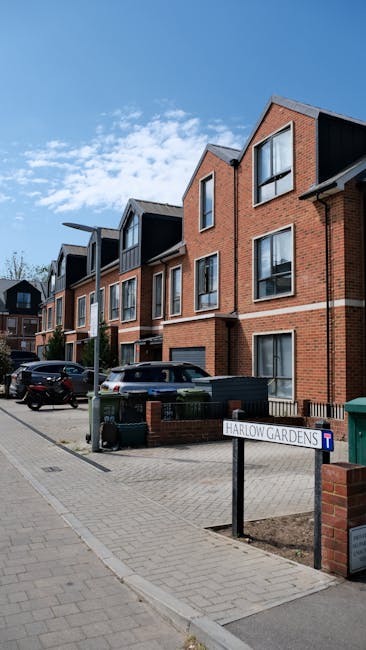
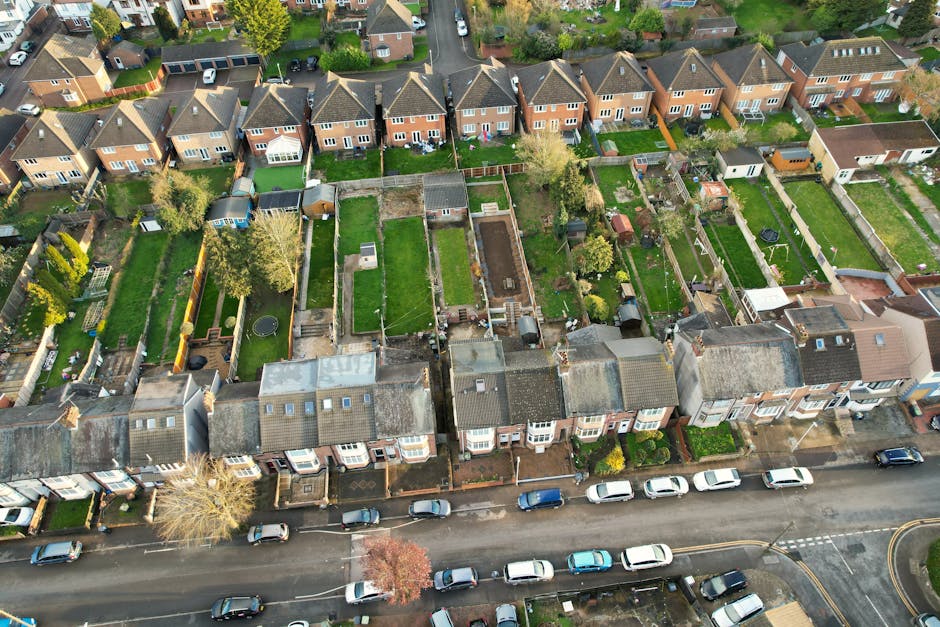
Gardeners for Craven Park Estate properties in Harlesden
If you live or manage property around Craven Park Estate, you already know the garden is rarely just "the garden". It is the first thing people see, the bit that quietly affects pride in the place, and, to be fair, the part that gets neglected fastest when life gets busy. Gardeners for Craven Park Estate properties in Harlesden need to handle all of that with care: compact outdoor spaces, shared access, seasonal growth, practical upkeep, and the everyday reality of London weather doing what London weather does.
This guide explains what professional garden care can look like in a local estate setting, how it works, what to expect, and how to choose the right approach for your property. Whether you are a homeowner, landlord, resident, or property manager, the goal is simple: a safer, tidier, more usable outdoor space that does not become a weekend headache.
In our experience, the best results come from combining routine maintenance with a plan for the bigger jobs. That might mean regular mowing, hedge work, seasonal clearance, or a proper refresh through garden maintenance and occasional garden clearance. Small jobs left too long tend to multiply. A few weeds become a bed, a bed becomes a thicket, and then everybody sighs. You know how it goes.
Table of Contents
- Why Gardeners for Craven Park Estate properties in Harlesden Matters
- How Gardeners for Craven Park Estate properties in Harlesden Works
- Key Benefits and Practical Advantages
- Who This Is For and When It Makes Sense
- Step-by-Step Guidance
- Expert Tips for Better Results
- Common Mistakes to Avoid
- Tools, Resources and Recommendations
- Law, Compliance, Standards, or Best Practice
- Options, Methods, or Comparison Table
- Case Study or Real-World Example
- Practical Checklist
- Conclusion
- Frequently Asked Questions
Why Gardeners for Craven Park Estate properties in Harlesden Matters
Craven Park Estate properties often benefit from outdoor spaces that need regular, sensible upkeep rather than dramatic redesigns. That sounds obvious, but it matters. Estate gardens can include front beds, shared paths, boundary hedges, small lawns, narrow side returns, and overlooked corners where leaves gather and weeds quietly take over. If one part is left alone for too long, the whole place starts looking tired.
Good gardening is not just about appearance. It helps with access, drainage, safety, privacy, and the simple day-to-day feeling of living somewhere cared for. A neat hedge can make a front area feel calmer. A clear path means fewer trip hazards. A well-kept lawn or border can stop the whole property from feeling cluttered. Small difference, big effect.
There is also a social side to it. In shared or closely packed housing, outdoor areas are part of the neighbourhood impression. A maintained garden shows that the property is managed properly and that someone is paying attention. That reassurance matters to residents and visitors alike.
Expert takeaway: For estate properties, gardening works best when it is planned as ongoing upkeep rather than occasional rescue work. Routine wins here. Every time.
If your outdoor area has become overgrown, uneven, or difficult to use, the answer is often not a one-off tidy alone. It may be a blend of lawn mowing, hedge trimming, and selective tree lopping and removal where safety or light levels are being affected. That mix is usually what restores control.
How Gardeners for Craven Park Estate properties in Harlesden Works
Professional garden work usually starts with a look at what is actually there, not what someone hopes is there. That sounds blunt, but it saves time. A proper visit or assessment will normally cover access, size, plant condition, waste volume, hard surfaces, ongoing maintenance needs, and any areas that need extra care around fencing, decking, or communal boundaries.
From there, the work is split into priorities. The urgent jobs are tackled first: overgrowth, blocked paths, unsafe branches, broken edges, or areas that make the space feel unusable. Then comes the shaping work: trimming, mowing, edging, bed clearing, and restoring definition. Finally, the ongoing care plan is set up, so the garden does not slide straight back into chaos three weeks later. That happens more often than people admit.
Depending on the property, gardeners may use regular visits, seasonal visits, or a one-off restoration package. Estate gardens often need more consistency than a private suburban plot because shared use creates faster wear and mess. Think foot traffic, litter, leaf fall, and plants growing into each other because nobody had time to sort them out in spring.
Some jobs are purely maintenance. Others lean into improvement, using landscape gardening or wider landscaping to make the space function better. A good gardener will know the difference and explain it plainly, which is honestly refreshing.
Key Benefits and Practical Advantages
The biggest benefit is control. Once a garden is on a schedule, it stops dictating your week. You are not rushing to cut back a hedge before visitors arrive or spending a Saturday hauling bags of green waste while the weather turns. And yes, Harlesden weather can turn very quickly.
- Better presentation: Neat gardens improve the look of the property immediately.
- Safer access: Clear paths, trimmed growth, and tidy edges reduce everyday hazards.
- Healthier planting: Regular care supports stronger lawns, shrubs, and borders.
- Less long-term cost: Routine work is usually easier and cleaner than recovery work.
- More usable outdoor space: A tidy garden gets used more often, simple as that.
- Improved privacy and light: Correct trimming prevents a garden from feeling boxed in.
There is also the stress factor. A well-kept garden is easier to live with. You notice it in small moments: a back door that opens to a clean, open space; a path that stays dry enough after rain; a hedge that frames the garden instead of swallowing it. It just feels better.
If you want a broader view of what is included across different property types, the services overview is a sensible place to start. It helps connect the dots between maintenance, clearance, trimming, and improvement work.
Who This Is For and When It Makes Sense
This service makes sense for a few very different people, and that is worth spelling out.
Homeowners need it when the garden has become hard to manage alongside work, travel, family life, or just the usual pressure of modern life. There is no shame in that. Most people do not want a second job in the form of a lawn.
Landlords and letting agents benefit when a garden needs to look presentable between tenancies or stay manageable during occupancy. Overgrown outdoor space can create avoidable complaints and reduce the appeal of the property.
Property managers and residents' groups often need reliable, repeatable garden care for shared or semi-shared spaces. In those settings, consistency is more valuable than a dramatic once-a-year overhaul.
Older residents or busy households may simply need help keeping up with the basics. That can include mowing, edging, hedge work, debris removal, and light seasonal tidying.
It also makes sense after weather changes. After a windy week, a wet spell, or a burst of spring growth, gardens can go from fine to messy in no time. That is when a calm, practical visit makes a lot more sense than waiting until the problem feels bigger than it is.
Step-by-Step Guidance
If you are planning garden work for a Craven Park Estate property, here is the simplest way to approach it.
- Walk the space properly. Look at what is overgrown, what is damaged, and what simply needs regular care. Check corners, side access, fences, and anything hidden by growth.
- Separate maintenance from recovery. A garden that needs mowing is not the same as one that needs full clearance. Mixing the two leads to vague quotes and muddy expectations.
- Prioritise safety first. Deal with unstable branches, blocked paths, broken edges, and anything that could cause trips or limited access.
- Choose the right service mix. Routine jobs might include mowing and trimming. Heavier work may need clearance or selective pruning. If there is timber, old fencing, or hard landscaping to refresh, plan for that too.
- Set a realistic schedule. Weekly, fortnightly, monthly, or seasonal depends on growth rate and use. Fast-growing gardens usually need more frequent attention.
- Agree the finish standard. Be clear about edging, waste removal, access gates, communal areas, and whether planted areas should be shaped or left natural.
- Review after the first visit. A good first job tells you a lot. Is the layout now easier to maintain? Did the garden look balanced, not just cut back?
- Lock in the upkeep. The easiest garden to manage is the one that never gets neglected in the first place. Annoying, but true.
If the space includes features like timber platforms or external structures, a service such as decking services may also be relevant. Decking and planting usually work best when they are treated as one outdoor system, not separate islands.
Expert Tips for Better Results
1. Think in layers. First fix access, then shape, then detail. A common mistake is getting stuck on fine trimming while the garden still feels messy at a structural level. Start with the big picture.
2. Keep the lawn realistic. A lawn is a living surface, not a carpet. It will never look identical every week, especially in shaded or damp spots. The aim is healthy and tidy, not museum-perfect. Truth be told, that would be a bit odd anyway.
3. Do not overcut hedges. Hard cutting can leave bare patches and weaken growth. Sensible hedge trimming keeps shape without stressing the plant.
4. Match the plan to the season. Spring and early summer often demand more frequent attention. Autumn shifts the focus to leaves, growth reduction, and clearance. Winter is more about control and structural care.
5. Use the garden's limits, not against them. Estate gardens can be compact. Good design and maintenance make small spaces feel bigger, calmer, and less cluttered. Sometimes a tiny improvement makes the whole place breathe again.
6. Ask about sustainability. Responsible waste handling matters. If you want a greener approach, ask how clippings, branches, and removed material are managed. The site's recycling and sustainability page is useful for understanding that mindset.
7. Keep communication clear. A ten-minute conversation can prevent a lot of disappointment. Say what matters most: tidy finish, low-maintenance beds, better privacy, or safer access. People often forget this bit, then wonder why the result feels off. Happens all the time.
Common Mistakes to Avoid
There are a few mistakes that crop up again and again. They are easy to make, but also easy to avoid once you know what to look for.
- Waiting too long: A small job becomes a recovery project, which takes longer and costs more effort.
- Being vague about the outcome: "Tidy it up" is not enough if the garden has several problem areas.
- Ignoring waste removal: Cuttings, branches, and debris can quickly overwhelm a small estate garden.
- Forgetting shared access: In properties with communal areas, work timing and access matter a lot.
- Cutting back too aggressively: Some plants recover well; others do not. Not every hedge enjoys a dramatic haircut.
- Skipping aftercare: Without a follow-up schedule, the same issues return faster than you expect.
One of the biggest errors is treating garden care as a purely visual job. It is not. It also affects movement, light, drainage, safety, and even how calmly people use the property. That broader view is what separates decent work from genuinely helpful work.
Tools, Resources and Recommendations
For most properties, the useful tools are straightforward: lawn mower, trimmer, secateurs, hedge tools, hand forks, rakes, wheelbarrows, and proper waste bags or containers. Nothing glamorous. Gardening rarely is glamorous, despite the endless picture of someone smiling near a watering can.
What matters more is choosing the right tool for the task. Heavy overgrowth needs controlled cutting, not just a quick once-over. Fine border work needs hand tools so you do not damage nearby plants. Wet grass needs different handling from dry growth. Small judgment calls, but they shape the final result.
If you are comparing services or want a clearer picture of what can be handled in one visit, pricing and quotes can help you think through scope, not just cost. It is often better to compare the job properly than to focus on the headline figure alone.
For broader service context, it can also help to look at garden clearance, lawn mowing, and hedge trimming as separate but connected tasks. That way you can build a maintenance plan that fits the actual garden, not just an ideal version of it.
Law, Compliance, Standards, or Best Practice
Garden work in London is usually straightforward, but there are still sensible standards to keep in mind. For example, anyone carrying out garden maintenance should work carefully around access routes, trip hazards, power tools, waste handling, and nearby residents. That is just good practice, but it is also part of responsible site management.
For property managers or landlords, keeping outdoor areas safe and reasonably maintained is part of looking after the property properly. Exact responsibilities can depend on the property type and tenancy arrangements, so it is wise to be cautious rather than assume. If there is uncertainty, documenting the condition, scope, and maintenance schedule is a smart move.
There is also a practical safety angle. Cutting, lifting, and clearing green waste can be physically demanding. Trees, hedges, and large branches need care, and some work is best left to experienced hands. Good providers should be mindful of insurance, safe working methods, and the way they leave the site. If that is important to you, the site's insurance and safety information is worth reading.
For service expectations, a polite, clear complaint route and transparent terms are part of best practice too. Nobody wants to use those pages, obviously, but it is reassuring when they exist. You can review the business approach via complaints procedure and terms and conditions.
Options, Methods, or Comparison Table
Different properties need different approaches. A quick comparison helps make that clearer.
| Approach | Best for | Strengths | Watch-outs |
|---|---|---|---|
| Regular maintenance visits | Managed gardens, shared areas, busy households | Keeps the garden under control, predictable, lower stress | Needs consistency and a suitable schedule |
| One-off tidy-up | Seasonal resets, neglected patches, move-in or move-out prep | Fast visible improvement, useful after a lapse | Can slide back if no follow-up is arranged |
| Garden clearance | Severely overgrown or cluttered spaces | Restores access and creates a clean starting point | Often more labour-intensive than expected |
| Landscape improvement | Spaces needing better layout, structure, or usability | Improves function and appearance together | Needs clearer planning than basic maintenance |
For some properties, the best solution is a combination. That might mean clearing the worst areas, then setting up maintenance, and later adding improvements to make the space easier to live with. It is not always dramatic, but it is usually effective.
Case Study or Real-World Example
Imagine a Craven Park Estate flat with a small front area, an overgrown side section, and a back space that has slowly become the dumping ground for old pots, cuttings, and "I'll sort that later" items. Nothing unusual there. By late spring, the hedges have started leaning out, the lawn is patchy, and the path is partly hidden by weeds.
A sensible approach would be to start with clearance and access. The worst growth is removed first so the space can be safely moved through. Then the lawn is cut back, edges are restored, and hedges are trimmed to bring shape back to the garden. After that, the focus shifts to maintenance: removing recurring weeds, keeping growth in check, and setting a realistic visit cycle so the area does not spiral again.
The change is rarely just visual. Residents notice the path feels easier to use. The smell changes too, in a good way. Fresh cut grass, damp soil after rain, clean air instead of that stale, forgotten-corner smell. Small thing maybe, but those details matter in a dense urban setting.
That is the real value of good gardeners for Craven Park Estate properties in Harlesden: not perfection, but steady improvement that makes everyday life easier.
Practical Checklist
Use this checklist before booking or planning work for an estate property:
- Walk the entire garden and note every problem area.
- Decide whether you need maintenance, clearance, or both.
- Check for shared access, neighbours, or communal boundaries.
- Identify any safety issues such as low branches or blocked paths.
- List the finish you actually want: neat, low-maintenance, improved privacy, or a full reset.
- Ask whether waste will be removed as part of the job.
- Think about how often the space will need ongoing care.
- Consider whether the garden would benefit from small structural changes.
- Review insurance, safety, and business policies before work begins.
- Set the next visit before the current one is forgotten.
If you are unsure where to begin, browsing the broader service pages and the about us page can give you a better feel for the approach and working style. Clear, calm, practical is usually the right combination.
Conclusion
Gardeners for Craven Park Estate properties in Harlesden are not just there to make things look tidy for a day. The real value is in creating outdoor spaces that are easier to live with, safer to move through, and less stressful to manage over time. For estate properties especially, that steady reliability matters more than flashy one-off results.
Whether your garden needs routine maintenance, a seasonal reset, or a more involved clearance and improvement plan, the best outcome comes from honest assessment and regular care. Keep it simple, keep it consistent, and do not leave the first signs of neglect to become a bigger job than necessary.
Get a free quote today and see how much you can save.
And if you only take one thing away from this guide, let it be this: a well-kept garden does not need to be perfect to feel good. It just needs attention, and a little bit of the right hands-on care.
Frequently Asked Questions
What do gardeners for Craven Park Estate properties in Harlesden usually do?
They typically handle mowing, hedge trimming, border tidying, pruning, clearance, weed control, and seasonal upkeep. The exact mix depends on the size and condition of the property.
How often should an estate garden be maintained?
That depends on growth and use, but many estate properties benefit from regular visits rather than occasional large jobs. Faster-growing gardens usually need more frequent attention.
Is garden clearance different from regular maintenance?
Yes. Clearance deals with overgrown, cluttered, or neglected spaces, while maintenance keeps an already manageable garden in good shape. They often work best together.
Can hedge trimming improve privacy?
It can, especially if hedges are shaped to keep coverage without becoming too wide or blocking light. A tidy hedge often looks better and works better.
What if the garden is small and awkwardly shaped?
That is very common around London estates. Small gardens can still be managed well with the right plan, especially when mowing, edging, and access are handled carefully.
Do I need landscaping or just gardening work?
If the issue is mainly tidiness and upkeep, gardening is usually enough. If the layout is awkward, drainage is poor, or the space feels difficult to use, landscaping may be more appropriate.
Will the gardener remove green waste?
In many cases, yes, though this should always be confirmed before work starts. Waste removal is often a key part of the job, especially after clearance or hedge work.
What should I ask before booking?
Ask what is included, how waste is handled, whether the work is one-off or recurring, and how the site will be left. Clear questions save a lot of back-and-forth later.
Are there safety concerns with larger trees or overgrown branches?
There can be, which is why tree work should be treated carefully. Anything unstable, too high, or near access routes may need a more considered approach.
How do I keep the garden manageable after the first visit?
Set a follow-up schedule early. The easiest gardens to maintain are the ones that never get too far behind. A little regular attention beats a giant rescue job every time.
What if I only need a one-off tidy-up?
That is perfectly reasonable. Many people start with a one-off visit to restore order, then decide later whether ongoing maintenance would be useful.
Where can I learn more about the company's policies and approach?
You can review the pages on health and safety policy, recycling and sustainability, and payment and security for more background on how work is handled.